What a Gucci monogram, a Brioni suit and rolled-up sleeves teach us about signaling
This week, The Economist described much of corporate America as trying to “scrub off its spray tan and deflate its lip filler.”
The piece is about political donations and lobbying, yet to describe a shift in allegiance, the writers reached straight for the vocabulary of appearance.
We’ve become that fluent in reading style as a signal.
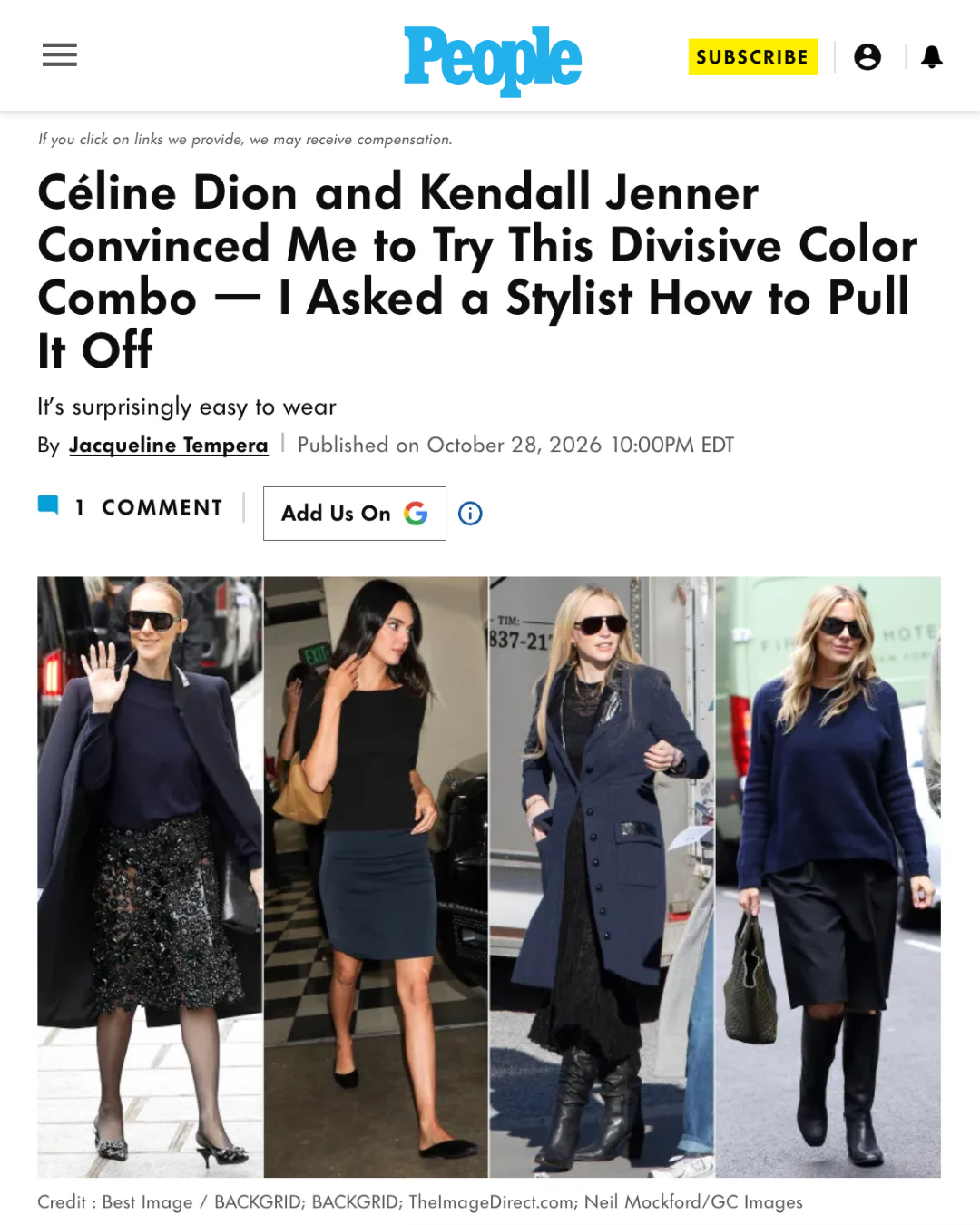
In her New York Times column, Vanessa Friedman answered a reader named Dan. He’d worn a nice Brioni suit, and someone told him he looked MAGA. He wanted to know whether he should switch to a Canadian tuxedo (all denim).
You may have never been assigned a political affiliation over dinner. But you’ve had a smaller version of Dan’s moment: you dressed one way, and it landed another. You meant polished, and it read as stiff. You meant relaxed, and it read as unprepared.
Brands get caught up in this too.
Also this week, Nicki Minaj appeared alongside Donald Trump at a campaign rally in Michigan dressed head to toe in Gucci: a fitted GG monogram suit and matching horsebit pumps.
Within a day, her suit was telling three different stories. The New York Post folded it into a political story, with “Gucci-clad” in a headline about a White House job. Diet Prada critiqued it as a brand losing control of its image, just after Gucci’s parent company, Kering, reported a dip in its Q3 revenue. Anyone who knows style history saw a lineage running back to Dapper Dan, who remixed the Gucci logo in his Harlem shop in the 1980s and whom the house later embraced as a partner.
So how does a good suit become a political statement, and a logo become a liability?
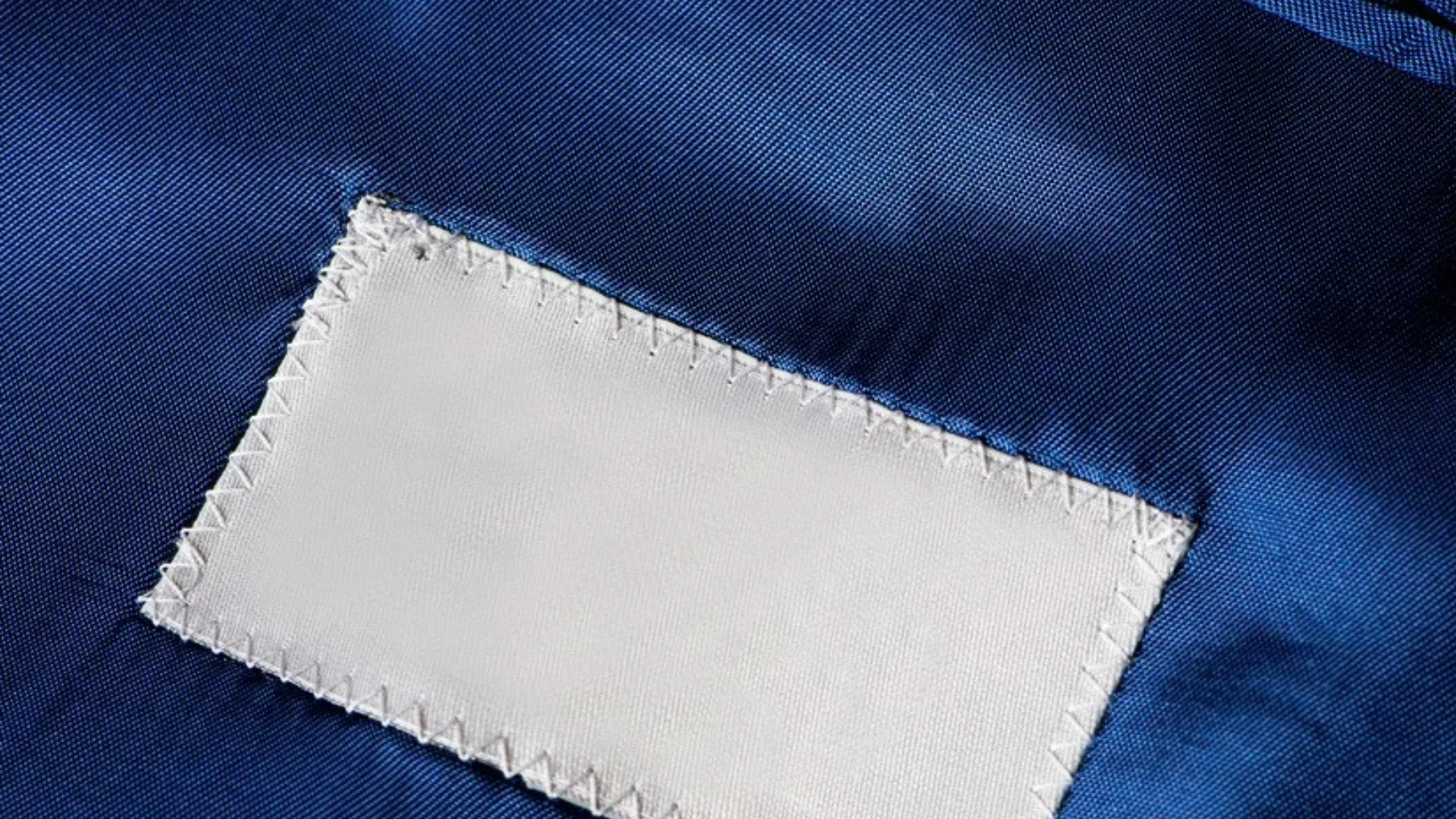
We read what we can see. A monogram is unmistakable. The label inside Dan’s jacket was silent. People saw a navy suit, white shirt, red tie, but as Friedman points out, “it is almost impossible to see this particular combination of men’s wear and not make a MAGA connection.”
Friedman doesn’t suggest changing your entire wardrobe. “But it does mean being aware of the effect your wardrobe choices may have on those around you — and the impression they may convey about your own value system,” she clarified.
The signaling runs both ways. As Vanity Fair recently noted, Democratic men on the midterm trail, from Barack Obama and Gavin Newsom to Jon Ossoff and Pete Buttigieg, have taken to rolling up their sleeves, literally, trading tailored suits for a “just dudes at work” look.
Neither uniform means anything on its own. We’ve just learned to associate them as partisan-coded.
We read the whole, in seconds. Researchers call it thin-slicing. In a classic study, psychologists Nalini Ambady and Robert Rosenthal found that strangers who watched as little as six seconds of silent video of a teacher made judgments that strongly predicted that teacher’s end-of-semester student evaluations.
We also interpret through our own lens. Repeated exposure trains our shortcuts. That’s priming, and it reveals more about the observer than the wearer.
A misread, then, is information about the moment, not a verdict on you.
These examples are useful precisely because they’re exaggerated. Politics and fashion turn up the volume on something that happens to each of us quietly, every day: in a client meeting, a job interview, a first coffee with someone new. Watching it play out in public teaches us how to handle it in private.
When we’re misunderstood, the instinct is to overcorrect. Dan wondered about switching to denim. A brand in Gucci’s position might be tempted to swerve its creative direction to escape the narrative. Both responses let the loudest interpretation win.
The better lesson is to start from what you can control:
Signal Inward. Before you walk into the room, know what you want your presence to say, and why. This is your anchor.
Signal Outward. Notice how you’re landing, with curiosity rather than alarm. A puzzled look or an unexpected comment is data, and data isn’t always 100% spot on. Nor is all feedback productive. You can’t control what others think of you, but you can influence it more than you may think.
Signal Forward. This is where you act on what you’ve noticed, and it usually takes less than you’d expect. A better fit, a different texture or color, one piece that feels most like you and changes your overall look. Other times, the right move is no move at all. You keep the suit because you know exactly why you’re wearing it. Sometimes, not changing is your declaration.
Gucci didn’t write the story its monogram told this week. Dan didn’t write the one about his suit. Culture will keep assigning meaning to what we wear, whether we agree with it or not. What’s yours is the intention you bring to getting dressed and to how you show up.
Interested in style psychology, regular styling advice and shopping recommendations?
Sign up for my weekly Style / Substance newsletter…